.jpg/:/cr=t:0%25,l:0%25,w:100%25,h:100%25/rs=w:1209,cg:true)
Design and prototyping
Functionality

We started off with a block case that we carved out a hole for the screen, with no outside features behind the mounting straps on the outside. Visually, it looked like a big box. It was also bifurcated in half, and did not have a way to put it together and lacked any vents for the sensors.
Revision
This is how AvAlert v.1.0 was made. We later realized that the screen was not usable without buttons, we needed vents to give outside air to the environmental sensors, and a better way to connect the two halves together. So, that's what we did.
Wiring
In terms of the sensors and electronic wiring, we routed the BNO086 Angle Sensor to the motherboard, and created our sensor STEMMA-QT chain off of the angle board. This solution came as a result from checks and tries with different combos, and this one proved to work and feed data directly to the code that actually popped up on the screen. The UI was still rough, but displayed the data accurately.
Coding

Based on trying different combinations of sensor organizations and seeing if the data would work, we came up with a final wiring schematic. Simply trying led our electronics to working. We also updated and troubleshooted our code using Codex, which helped also analyze our data from our research to create our code criterion for our risk rating.
*Visit our proposal for full wiring schematic.
Power
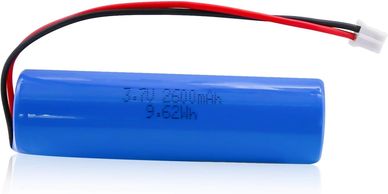
For our power, we wired our battery into a charger and converter combo that powered our board while making the device rechargeable. We also carved out a new charging port to accomodate USB-C charging capability. As we approached a more final, robust design with the electronics, the case began to follow suit.
Final Adjustments
We added mounting pegs for the screen and angle sensor, and added vents with a subhousing that allowed our temp sensor to get air access, and wiring shelves and mounting areas for the depth sensor and battery (view below). Then, as our code advanced better, we made the UI smoother, added buttons to toggle the screen back and forth and on and off, and made the data easy and readable with a clear risk-rating bar that made for a smooth user experience. Overall, these accomplishments reflect our SRR perfectly, and the trial and error drove our design process forward.